
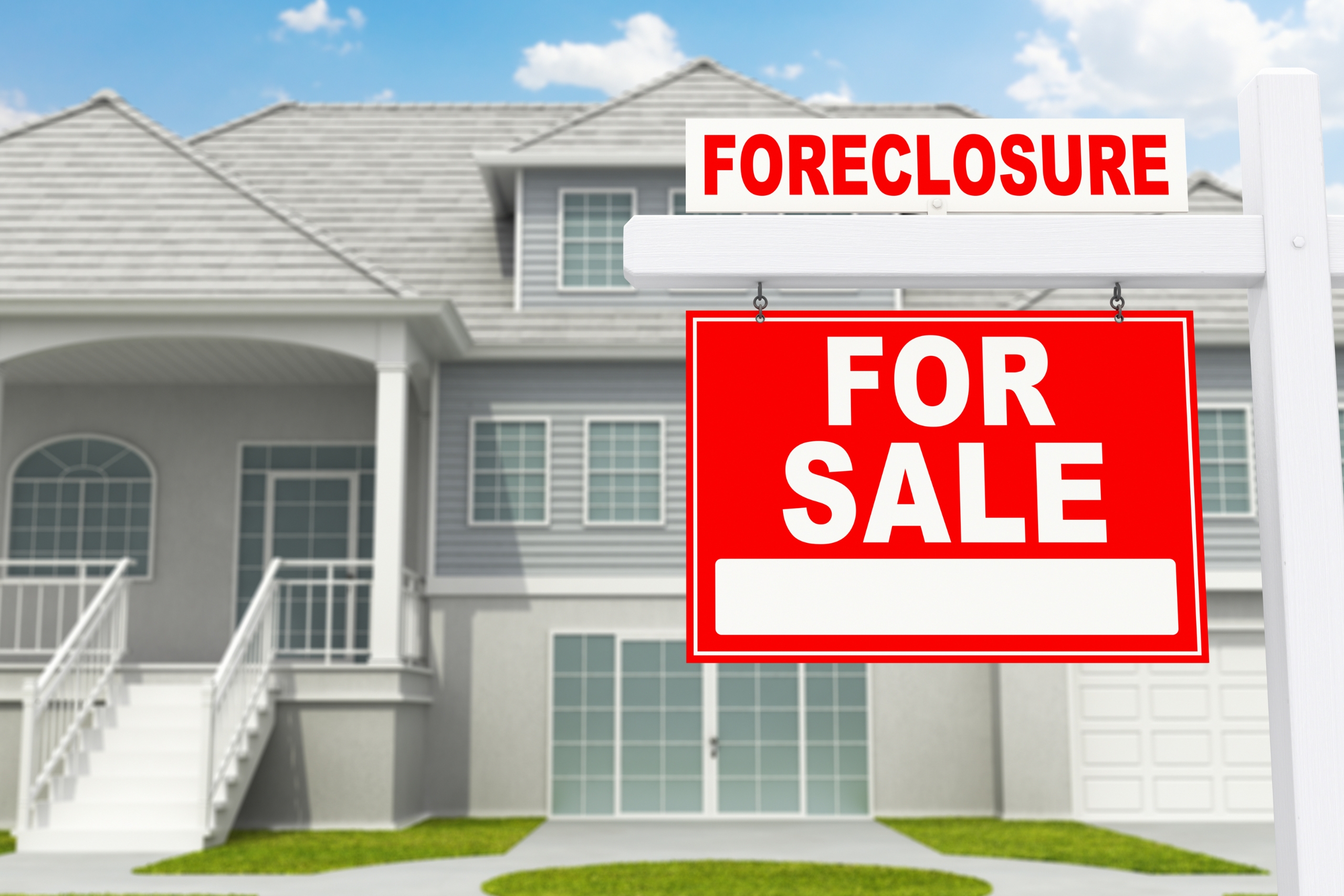
Buying Foreclosed Properties: Benefits, Opportunities, And Risks You Need To Know
Investing in real estate offers various pathways to building wealth, and one option that often attracts attention is purchasing foreclosed properties. These properties, typically repossessed by lenders due to unpaid mortgages, are often sold at lower prices compared to traditional listings. For buyers and investors, this presents an opportunity to acquire property at a potentially reduced cost while aiming for long-term value or profit.
However, buying foreclosed properties is not without challenges. While the lower price point can be appealing, there are also risks related to property condition, legal processes, and hidden costs. Understanding both the advantages and potential pitfalls is essential for making informed decisions. By exploring the opportunities and risks involved, buyers can approach foreclosures with greater confidence and develop strategies that align with their financial goals.
Understanding What Foreclosed Properties Are
Foreclosed properties are homes or buildings that have been taken back by lenders after the original owner failed to meet mortgage obligations. Once the lender takes possession, the property is typically sold to recover the outstanding loan balance. These sales may occur through auctions or traditional listings managed by financial institutions.
The foreclosure process can vary depending on location and legal requirements. Some properties are sold quickly through auctions, while others go through a more structured process before being listed on the market. Understanding how these processes work is crucial for potential buyers.
In the real estate market, foreclosures represent a unique segment where pricing, timing, and availability differ from standard property transactions. Buyers who understand these differences are better equipped to navigate the process effectively.
Advantages of Buying Foreclosed Properties
One of the main advantages of purchasing foreclosed properties is the potential for lower prices. Lenders are often motivated to sell quickly, which can result in properties being listed below market value. This creates opportunities for buyers to secure deals that may not be available through traditional channels.
Another benefit is the potential for investment growth. Buyers who are willing to renovate or improve the property can increase its value over time. This makes foreclosures attractive to investors looking for long-term returns or resale opportunities.
Additionally, there may be less competition in certain foreclosure markets. Some buyers are hesitant due to perceived risks, which can create opportunities for those who are prepared and informed. In real estate, these advantages can provide a pathway to acquiring valuable assets at competitive prices.
Opportunities for Investors and Homebuyers
Foreclosed properties offer a range of opportunities for both investors and homebuyers. For investors, these properties can serve as a foundation for rental income or property flipping. Renovating and reselling a foreclosed home can generate significant returns when managed effectively.
For homebuyers, foreclosures can provide access to properties that might otherwise be out of reach financially. Purchasing at a lower price allows buyers to allocate funds toward improvements or customization, creating a home that meets their preferences.
Location also plays a role in opportunities. Some foreclosed properties are situated in desirable areas, offering long-term value potential. Identifying these opportunities requires research, market analysis, and careful planning.
Risks and Challenges to Consider
Despite the potential benefits, buying foreclosed properties comes with risks. One of the most common challenges is the condition of the property. Many foreclosures are sold as-is, meaning buyers are responsible for any repairs or issues that arise after purchase.
Legal and financial complexities can also present challenges. There may be outstanding liens, unpaid taxes, or other obligations associated with the property. Conducting thorough due diligence is essential to avoid unexpected liabilities.
Another risk is limited access to property history. Buyers may not have complete information about previous maintenance or structural issues. This uncertainty can make it difficult to assess the true cost of ownership.
The Importance of Property Inspection and Research
Thorough inspection and research are critical steps when considering a foreclosed property. Whenever possible, buyers should arrange for a professional inspection to identify potential issues. This helps in estimating repair costs and determining whether the investment is worthwhile.
Researching the property’s history, including ownership records and financial obligations, is equally important. Understanding these details can prevent legal complications and ensure a smoother transaction process.
In the context of real estate, careful evaluation and preparation can significantly reduce risks. Buyers who take the time to gather information and assess conditions are more likely to make successful investments.
Financing and Budget Planning
Financing a foreclosed property may differ from traditional purchases. Some lenders have specific requirements for foreclosure transactions, and certain properties may not qualify for standard financing due to their condition.
Buyers should plan their budgets carefully, taking into account not only the purchase price but also potential repair costs, legal fees, and other expenses. Having a clear financial plan helps avoid unexpected challenges and ensures that the investment remains manageable.
Exploring different financing options, such as renovation loans or specialized programs, can provide additional flexibility. Understanding these options allows buyers to make informed decisions that align with their financial capabilities.
Strategies for Successful Foreclosure Purchases
Success in buying foreclosed properties often depends on preparation and strategy. Working with experienced professionals, such as real estate agents and legal advisors, can provide valuable guidance throughout the process.
Patience is also important. Opportunities may take time to identify, and rushing into a purchase can lead to costly mistakes. Evaluating multiple properties and comparing options helps ensure better decision-making.
Building knowledge about the local market is another key factor. Understanding trends, pricing, and demand allows buyers to identify properties with strong potential. With the right approach, foreclosures can become a valuable part of an investment strategy.
Conclusion
Buying foreclosed properties presents a mix of advantages, opportunities, and risks that require careful consideration. While the potential for lower prices and investment growth makes them appealing, challenges such as property condition, legal complexities, and financing requirements must be addressed. By conducting thorough research, planning finances, and seeking professional guidance, buyers can navigate the process more effectively. In the dynamic real estate market, foreclosures offer unique opportunities for those who are prepared and informed. With the right strategy, they can become a valuable addition to both personal and investment portfolios, providing long-term benefits and financial growth.